Blog

  • A Beginner’s Guide to Intellectual Property Rights – What You Need to Know

    A Beginner’s Guide to Intellectual Property Rights – What You Need to Know

    In today’s fast-paced digital world, understanding intellectual property (IP) rights is crucial for anyone involved in creating, innovating, or running a business. Whether you’re an entrepreneur, a creative professional, or just curious about how intellectual property works, this beginner’s guide will walk you through the fundamentals of IP rights, why they matter, and how to protect your intellectual assets.

    What is Intellectual Property?

    Intellectual Property (IP) refers to creations of the mind—such as inventions, literary and artistic works, designs, symbols, names, and images—that are used in commerce. IP rights give creators or owners exclusive rights to use, sell, and license their creations. These rights are crucial for encouraging innovation and creativity by ensuring that creators can benefit financially from their work.

    Types of Intellectual Property Rights

    There are several types of intellectual property rights, each designed to protect different kinds of creations. Here’s an overview of the main types:

    1. Copyright: Copyright protects original works of authorship, such as books, music, films, and software. The creator of the work has the exclusive right to reproduce, distribute, perform, display, or license the work. Copyright protection generally lasts for the life of the author plus 70 years.
    2. Patent: Patents are granted for new, useful, and non-obvious inventions or discoveries. A patent gives the inventor exclusive rights to make, use, sell, or license the invention for a limited period, usually 20 years from the filing date. Patents can cover products, processes, or methods.
    3. Trademark: Trademarks protect symbols, names, phrases, or logos used to identify and distinguish goods or services. Trademark protection helps prevent confusion among consumers and protects brand identity. Trademarks can be renewed indefinitely as long as they are in use and their registration is maintained.
    4. Design Rights: Design rights protect the visual appearance of a product, including its shape, color, and texture. This type of protection is crucial for companies that invest in creating unique product designs. Design rights can last for up to 25 years, depending on the jurisdiction.
    5. Trade Secrets: Trade secrets encompass confidential business information that provides a competitive edge. This can include formulas, processes, or marketing strategies. Unlike other forms of IP, trade secrets are protected as long as they remain confidential and are not disclosed to the public.

    Why Intellectual Property Rights Matter

    Intellectual property rights are essential for several reasons:

    1. Encouraging Innovation: IP rights incentivize creativity and innovation by ensuring that creators can reap the financial rewards of their work. This encourages investment in research and development, leading to new products, technologies, and artistic works.
    2. Protecting Brand Identity: For businesses, trademarks and design rights help establish and protect brand identity. A strong brand is crucial for building consumer trust and loyalty, and IP rights ensure that competitors cannot unfairly use similar branding.
    3. Fostering Economic Growth: Intellectual property contributes significantly to economic growth by promoting innovation, creating jobs, and generating revenue. IP-intensive industries, such as technology and entertainment, are major drivers of economic activity.
    4. Legal Protection: IP rights provide legal recourse if someone infringes on your creations. This means that you can take legal action against individuals or companies that unlawfully use, copy, or profit from your intellectual property.

    How to Protect Your Intellectual Property

    Protecting your intellectual property involves several steps, depending on the type of IP you are dealing with. Here’s a general guide on how to safeguard your IP:

    1. Document Your Work: Keep detailed records of your creations, including drafts, development notes, and dates. This documentation can serve as evidence of your ownership and the originality of your work.
    2. Register Your IP: While some IP rights are automatic (such as copyright), others require registration. For example, patents, trademarks, and design rights typically need to be formally registered with the appropriate authorities to gain legal protection.
    3. Use Contracts and Agreements: When collaborating with others or sharing your IP, use contracts and agreements to outline how your intellectual property will be used and protected. This can include non-disclosure agreements (NDAs) and licensing agreements.
    4. Monitor and Enforce Your Rights: Regularly monitor the market and your industry to detect any potential infringements. If you discover unauthorized use of your IP, take appropriate action, such as sending a cease-and-desist letter or pursuing legal remedies.
    5. Seek Professional Advice: Intellectual property law can be complex, so consider consulting with an IP attorney or specialist. They can provide guidance on protecting your rights, registering your IP, and handling any legal issues that arise.

    Common Intellectual Property Issues and How to Avoid Them

    Understanding common IP issues can help you avoid potential pitfalls. Here are a few key issues to be aware of:

    1. Infringement: IP infringement occurs when someone unlawfully uses your intellectual property without permission. To avoid this, ensure that your IP rights are registered and enforce them actively.
    2. Ownership Disputes: Disputes can arise over who owns certain intellectual property, especially in collaborative projects. Clearly define ownership and rights in written agreements to prevent conflicts.
    3. International Protection: IP rights are generally territorial, meaning they only apply within the borders of the country where they are registered. If you operate internationally, consider registering your IP in other countries to ensure global protection.
    4. Balancing Disclosure and Protection: When sharing your IP with potential partners or investors, balance the need for disclosure with the need for protection. Use NDAs and other legal tools to safeguard your intellectual property.

    Conclusion

    Intellectual property rights play a crucial role in fostering creativity, innovation, and economic growth. By understanding the different types of IP, recognizing their importance, and taking steps to protect your creations, you can safeguard your intellectual assets and benefit from your hard work. Whether you’re an inventor, artist, or business owner, having a solid grasp of intellectual property rights will help you navigate the complex landscape of IP and ensure that your creative efforts are properly protected and rewarded.

    Embrace the power of intellectual property and take the necessary steps to secure your innovations and ideas. With the right knowledge and strategies, you can leverage IP rights to drive success and achieve your goals.
  • A Beginner’s Guide to Drafting Legal Documents

    A Beginner’s Guide to Drafting Legal Documents

    Legal documents play a critical role in various aspects of life, from personal agreements to business transactions. Drafting these documents can seem daunting, especially if you’re new to the process. Whether you’re a small business owner, an individual dealing with personal matters, or simply interested in understanding the basics, this guide will help you navigate the essentials of drafting legal documents effectively.

    Understanding Legal Documents

    Legal documents are written records that outline the terms, conditions, rights, and responsibilities of the parties involved in a legal agreement. They serve as evidence of agreements and can be used in court to enforce or resolve disputes. Common types of legal documents include contracts, wills, leases, and affidavits.

    Why Drafting Legal Documents Matters

    Properly drafted legal documents can prevent misunderstandings and disputes by clearly defining the terms of agreements. They help ensure that all parties understand their obligations and can provide a basis for resolving conflicts if they arise. Whether you’re creating a business contract or a personal will, accurate and clear documentation is essential for protecting your interests and ensuring legal compliance.

    Key Steps in Drafting Legal Documents

    1. Identify the Purpose and Scope
      Before drafting any legal document, it’s crucial to understand its purpose and scope. What are you trying to achieve with this document? Are you creating a binding agreement, documenting a transaction, or establishing a legal obligation? Clearly defining the document’s purpose will guide your drafting process and help you include all necessary details.
    2. Research and Understand Relevant Laws
      Different types of legal documents are governed by various laws and regulations. For example, contracts must comply with contract law, while wills are subject to estate law. Familiarize yourself with the relevant laws and regulations that apply to your document. This ensures that your document is legally valid and enforceable.
    3. Gather All Necessary Information
      Collect all the relevant information required for your document. This may include personal details, financial information, terms of the agreement, and any other pertinent data. Accurate and complete information is essential for drafting a document that accurately reflects the intentions of all parties involved.
    4. Draft the Document
      Begin drafting your document by organizing the information into a structured format. Common sections in legal documents include:
      1. Title: Clearly state the document’s purpose (e.g., “Employment Agreement” or “Lease Agreement”).
      1. Parties Involved: Identify all parties to the document, including their full names and roles.
      1. Terms and Conditions: Outline the specific terms and conditions of the agreement, including obligations, rights, and responsibilities.
      1. Signatures: Provide space for the signatures of all parties involved, along with dates.
    5. Use clear and precise language to avoid ambiguity. Legal jargon should be used appropriately but ensure that the document is understandable to all parties.
    6. Review and Revise
      Once the initial draft is complete, review it carefully to ensure that it accurately reflects the intended terms and conditions. Look for any inconsistencies, errors, or omissions. Revising the document as needed will help ensure that it is both accurate and effective.
    7. Seek Legal Advice
      While drafting legal documents yourself is possible, seeking legal advice can be beneficial. An attorney can provide valuable insights and ensure that your document complies with all relevant laws and regulations. This is especially important for complex documents or situations involving significant legal or financial implications.
    8. Finalize and Execute
      After making necessary revisions and obtaining legal advice, finalize your document. Ensure that all parties sign and date the document in the appropriate places. In some cases, documents may need to be notarized or witnessed to be legally valid.
    9. Keep Records
      Maintain copies of the executed document for your records. This provides a reference in case of any future disputes or questions. Store these documents in a safe and accessible location.

    Common Types of Legal Documents

    1. Contracts
      Contracts are legally binding agreements between two or more parties. They outline the terms and conditions of the agreement, including the rights and responsibilities of each party. Common types of contracts include employment contracts, service agreements, and sales contracts.
    2. Wills
      Wills are legal documents that outline how a person’s assets and affairs should be handled after their death. A will typically includes instructions for the distribution of property, naming of beneficiaries, and appointment of executors.
    3. Leases
      Lease agreements are contracts that outline the terms under which one party rents property from another. They include details such as the rental amount, duration of the lease, and responsibilities for maintenance and repairs.
    4. Affidavits
      An affidavit is a written statement made under oath, used to affirm the truth of certain facts. Affidavits are often used in legal proceedings to provide evidence or support a claim.
    5. Power of Attorney
      A power of attorney document grants one person the authority to act on behalf of another in legal or financial matters. It can be general or limited in scope, depending on the needs of the parties involved.

    Tips for Effective Legal Document Drafting

    1. Be Clear and Concise
      Use clear and straightforward language to avoid misunderstandings. Avoid unnecessary jargon and ensure that the document is easy to understand.
    2. Include All Relevant Details
      Ensure that all essential details are included in the document. Omissions can lead to disputes or ambiguity.
    3. Use Templates Wisely
      While templates can be helpful, they should be customized to fit your specific needs. Ensure that any template you use is relevant to your situation and complies with applicable laws.
    4. Proofread Carefully
      Thoroughly proofread your document to catch any errors or inconsistencies. Mistakes can undermine the effectiveness of the document and lead to legal issues.
    5. Consult Professionals
      For complex or high-stakes documents, consulting with legal professionals is advisable. They can provide guidance and ensure that your document meets all legal requirements.

    Conclusion

    Drafting legal documents is a crucial skill that can help protect your interests and ensure that agreements are clearly defined and enforceable. By following these steps and seeking professional advice when needed, you can create effective legal documents that serve your needs and stand up to scrutiny. Whether you’re drafting a contract, will, lease, or any other legal document, attention to detail and a clear understanding of legal principles will guide you toward successful outcomes.

  • Labour & Service Law – What Every Employee Should Know About Their Legal Rights

    Labour & Service Law – What Every Employee Should Know About Their Legal Rights

    In the dynamic world of employment, understanding your legal rights is crucial for ensuring fair treatment and protecting yourself in the workplace. Labour and service law is designed to govern the relationship between employers and employees, establishing a framework for rights, obligations, and protections. Whether you are a new employee or a seasoned worker, knowing your legal rights can help you navigate workplace challenges and advocate for yourself effectively. This comprehensive guide explores key aspects of labour and service law that every employee should be aware of.

    Understanding Labour & Service Law

    Labour and service law encompasses a range of regulations and statutes aimed at governing employment practices and protecting workers. These laws cover various aspects of the employment relationship, including wages, working conditions, job security, and dispute resolution. In most jurisdictions, labour laws are enforced by government agencies and supported by legal frameworks that ensure employees’ rights are upheld.

    Key Employee Rights Under Labour & Service Law

    1. Right to Fair Wages
      Employees are entitled to receive fair compensation for their work. This includes minimum wage regulations, overtime pay, and equal pay for equal work. The Fair Labor Standards Act (FLSA) in the United States, for example, sets standards for minimum wage and overtime compensation. Employees should be aware of their local wage laws and ensure that they are receiving at least the minimum legal wage for their work.
    2. Right to Safe Working Conditions
      Employers are required to provide a safe and healthy work environment. This includes adhering to occupational health and safety regulations, providing necessary safety equipment, and addressing potential hazards. The Occupational Safety and Health Administration (OSHA) in the U.S. enforces workplace safety standards and provides guidelines to help employers maintain safe working conditions.
    3. Right to Non-Discrimination
      Employment discrimination based on race, gender, age, disability, religion, or sexual orientation is prohibited by law. The Civil Rights Act of 1964 in the U.S. and similar legislation in other countries protect employees from discriminatory practices. If you believe you are being discriminated against in the workplace, you have the right to file a complaint with the relevant authorities.
    4. Right to Privacy
      Employees have a reasonable expectation of privacy in the workplace. This includes protection from unwarranted surveillance, monitoring, or intrusion into personal matters. However, employers may have legitimate reasons for monitoring employee communications and activities, provided they comply with privacy laws and regulations.
    5. Right to Fair Treatment in Disciplinary Actions
      If disciplinary action is taken against an employee, it must be fair and follow established procedures. Employees should be informed of the reasons for disciplinary actions and given an opportunity to respond. Employment contracts and company policies often outline the procedures for handling disciplinary issues.
    6. Right to Family and Medical Leave
      Many jurisdictions provide employees with the right to take leave for family or medical reasons. In the U.S., the Family and Medical Leave Act (FMLA) allows eligible employees to take up to 12 weeks of unpaid leave for specific family and medical reasons without losing their job. Understanding your rights regarding leave can help you manage personal and family needs while maintaining job security.
    7. Right to Termination Protections
      Employment laws often regulate the conditions under which an employee can be terminated. In many cases, employees are protected from unjust dismissal and must be given notice or severance pay if terminated without cause. It’s important to review your employment contract and local laws to understand your rights in the event of termination.

    Steps to Take if Your Rights Are Violated

    1. Document the Issue
      If you believe your rights have been violated, it is essential to document the issue thoroughly. Keep detailed records of any incidents, communications, and relevant documents. This evidence will be crucial if you need to file a complaint or take legal action.
    2. Report the Issue Internally
      Many workplaces have procedures for addressing grievances or complaints. Report the issue to your supervisor or human resources department and follow the established protocol for resolving workplace disputes. Internal resolution processes can often address issues more efficiently than external legal actions.
    3. Seek Legal Advice
      If the issue is not resolved internally or involves serious violations of your rights, seek legal advice from an employment lawyer or legal professional. They can provide guidance on your options, including filing a complaint with government agencies or pursuing legal action.
    4. File a Complaint with Relevant Authorities
      Depending on the nature of the issue, you may need to file a complaint with relevant government agencies or regulatory bodies. In the U.S., for example, you can file complaints with the Equal Employment Opportunity Commission (EEOC) for discrimination or OSHA for safety violations.
    5. Consider Mediation or Arbitration
      In some cases, mediation or arbitration may be a viable alternative to litigation. These processes involve a neutral third party who helps resolve disputes between employees and employers. Mediation and arbitration can offer a quicker and less formal resolution compared to court proceedings.

    Staying Informed About Labour & Service Law

    Labour and service laws can vary significantly depending on the jurisdiction and are subject to change. Staying informed about the latest developments in employment law can help you better understand and assert your rights. Consider the following strategies to stay updated:

    1. Regularly Review Company Policies
      Familiarize yourself with your employer’s policies and procedures regarding employment rights. These policies should align with legal requirements and provide guidance on how to handle various workplace issues.
    2. Follow Legal Developments
      Keep track of changes in labour and service laws by following legal news, subscribing to updates from relevant government agencies, or consulting legal professionals. Staying informed will help you understand how changes may impact your rights and responsibilities.
    3. Participate in Training and Education
      Attend workshops, seminars, or training sessions on employment law and workers’ rights. These educational opportunities can provide valuable insights into your legal protections and help you stay informed about best practices in the workplace.

    Conclusion

    Understanding labour and service law is essential for every employee to ensure fair treatment and protect their rights in the workplace. From fair wages and safe working conditions to non-discrimination and privacy protections, knowing your legal rights empowers you to navigate workplace challenges effectively. By staying informed and taking proactive steps when necessary, you can advocate for yourself and contribute to a positive and equitable work environment. Remember, your rights are protected by law, and you have the tools and resources available to ensure that those rights are upheld.

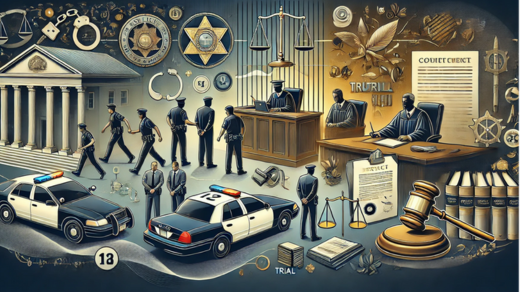
  • How the Criminal Justice System Works – From Arrest to Trial

    How the Criminal Justice System Works – From Arrest to Trial

    The criminal justice system is a complex network of institutions and procedures designed to uphold the law, administer justice, and protect the rights of individuals. Understanding how this system operates from arrest to trial is crucial for anyone involved or interested in the legal process. This article provides an in-depth look at each stage of the criminal justice system, shedding light on the roles and responsibilities of key players involved.

    1. The Arrest

    The criminal justice process begins with an arrest. This occurs when law enforcement officers detain an individual suspected of committing a crime. An arrest can happen in several ways:

    • With a Warrant: Police officers may obtain an arrest warrant from a judge based on probable cause that a crime has been committed. This warrant authorizes officers to arrest the individual and search their property if necessary.
    • Without a Warrant: In some cases, officers can make an arrest without a warrant if they witness a crime being committed or have probable cause to believe that a crime has occurred.

    During the arrest, the individual is read their rights, commonly known as Miranda rights, which include the right to remain silent and the right to an attorney. It’s important for individuals to understand these rights as they are fundamental to the legal process.

    2. Booking and Initial Appearance

    Once arrested, the individual is taken to a local jail or detention center for booking. This process involves recording the suspect’s personal information, taking fingerprints, and photographing them. The suspect is also informed of the charges against them.

    Following booking, the suspect will have an initial appearance in court. This is a brief hearing where the judge informs the defendant of the charges and their rights. The judge may also set bail, which is an amount of money that the defendant must pay to be released from custody while awaiting trial. Bail ensures that the defendant returns for future court appearances.

    3. Preliminary Hearing

    The preliminary hearing is a critical step in the criminal justice process. During this hearing, the judge determines whether there is enough evidence to proceed with the case. The prosecution presents evidence and witnesses, while the defense may challenge the evidence and argue for the case to be dismissed.

    The purpose of the preliminary hearing is to ensure that there is sufficient probable cause to believe that the defendant committed the crime. If the judge finds that there is enough evidence, the case moves forward to the next stage.

    4. Grand Jury Indictment

    In some jurisdictions, particularly for serious crimes, the case may be presented to a grand jury. A grand jury is a group of citizens who review evidence presented by the prosecution to determine whether there is enough evidence to charge the defendant with a crime.

    The grand jury’s role is not to determine guilt or innocence but to decide if there is sufficient evidence to formally accuse the defendant. If the grand jury issues an indictment, the case proceeds to trial.

    5. Arraignment

    Arraignment is the formal court proceeding where the defendant is officially charged and enters a plea. The defendant can plead guilty, not guilty, or no contest. A guilty plea means the defendant admits to the crime, while a not guilty plea means they deny the charges. A no contest plea means the defendant does not contest the charges but does not admit guilt.

    During the arraignment, the judge also addresses issues such as bail conditions and scheduling future court dates. If the defendant pleads not guilty, the case moves forward to trial.

    6. Pre-Trial Motions and Discovery

    Before the trial begins, both the prosecution and defense engage in a process called discovery. During discovery, each side exchanges evidence and information that will be presented during the trial. This ensures that both parties have access to the same evidence and can prepare their cases accordingly.

    Additionally, the defense may file pre-trial motions to challenge the admissibility of evidence, dismiss charges, or request a change of venue. These motions are reviewed by the judge, who makes rulings based on the arguments presented.

    7. The Trial

    The trial is the formal examination of evidence and arguments presented by both the prosecution and defense before a judge and, in some cases, a jury. The trial process typically includes:

    • Opening Statements: Both the prosecution and defense present their initial arguments, outlining what they plan to prove during the trial.
    • Presentation of Evidence: The prosecution presents evidence and witnesses to establish the defendant’s guilt. The defense may cross-examine these witnesses and present their own evidence and witnesses to refute the prosecution’s claims.
    • Closing Arguments: After all evidence has been presented, both sides make their final arguments, summarizing their case and attempting to persuade the judge or jury.
    • Deliberation and Verdict: If the trial involves a jury, they will deliberate in private to reach a verdict. If it’s a bench trial (one decided by a judge), the judge will render the verdict. The verdict can be guilty, not guilty, or in some cases, a mistrial if the jury cannot reach a unanimous decision.

    8. Sentencing

    If the defendant is found guilty, a separate sentencing phase follows. During sentencing, the judge considers various factors, including the nature of the crime, the defendant’s criminal history, and any mitigating or aggravating circumstances. The judge then imposes a sentence, which may include imprisonment, fines, probation, or other penalties.

    In some cases, sentencing may involve a presentence report prepared by a probation officer, which provides additional information about the defendant’s background and the impact of the crime on the victims.

    9. Appeals

    After sentencing, the defendant has the right to appeal the conviction or sentence. An appeal is a request for a higher court to review the case for legal errors that may have affected the outcome. The appellate court examines the trial record and legal arguments but does not conduct a new trial or reconsider evidence.

    If the appellate court finds that legal errors occurred, it may overturn the conviction, reduce the sentence, or order a new trial.

    Conclusion

    The criminal justice system is a multi-step process designed to ensure that justice is served while protecting the rights of individuals. From arrest to trial, each stage plays a crucial role in determining the outcome of a criminal case. Understanding how the system works can help individuals navigate the legal process, whether they are facing charges, working in law enforcement, or simply seeking to understand the intricacies of criminal justice.

    By comprehending each phase of the criminal justice system, from arrest through trial and appeals, you gain insight into the procedures and protections that underpin our legal system, ensuring that justice is both fair and effective.

  • Your Guide to Finding the Best Legal and Financial Experts in Jaipur

    Your Guide to Finding the Best Legal and Financial Experts in Jaipur

    Jaipur, the Pink City, is renowned for its vibrant culture, historical landmarks, and burgeoning business ecosystem. Whether you are a business owner, an individual dealing with legal disputes, or someone seeking financial guidance, finding the best advocate in Jaipur or the best CA in Jaipur can be a game-changer. This comprehensive guide will help you identify the top professionals in the city to address your legal and financial needs.

    Why You Need the Best Advocate in Jaipur

    Legal matters can range from simple documentation to complex litigations. Engaging a top advocate in Jaipur ensures that you have expert representation and sound legal advice. A well-experienced advocate can help you navigate the intricacies of the legal system, saving time and effort. If you are involved in criminal proceedings, it’s essential to hire a seasoned criminal lawyer in Jaipur for Jaipur district court or Jaipur High Court who specializes in defending cases like yours. Their expertise can be the difference between a favorable outcome and unnecessary complications.

    Additionally, family matters like divorces require a sensitive yet strategic approach. Opting for the best divorce lawyer in Jaipur is crucial as they bring a wealth of experience in handling family law disputes. They provide not just legal guidance but also emotional support during challenging times.

    Choosing the Right Divorce Lawyer in Jaipur

    Divorce proceedings often involve disputes over property, alimony, and child custody. A skilled divorce lawyer in Jaipur will help you navigate these complexities with minimal stress. They ensure that your rights are protected and work towards a resolution that aligns with your best interests. The best divorce lawyer in Jaipur can help mediate settlements or represent you effectively in court.

    Financial Matters? Consult a CA in Jaipur

    Financial planning and compliance are critical for individuals and businesses alike. Whether it’s tax filing, investment planning, company registration in Jaipur with Ministry of Corporate Affairs or audits by members of ICAI, chartered accountants in Jaipur offer tailored solutions. Consulting the best CA in Jaipur ensures that your financial strategies are optimized for growth. For businesses, top CA in Jaipur firms provide comprehensive services, including risk management, financial analysis, and compliance with regulatory standards.

    Their expertise extends beyond basic accounting to strategic advice that helps businesses thrive in competitive markets. By partnering with a best CA in Jaipur, you gain access to insights that can transform your financial standing.

    Understanding Rajasthan PSARA and RERA Rajasthan

    Regulations play a pivotal role in various industries. Rajasthan PSARA is particularly important for private security agencies. It governs their licensing, training, and operational standards, ensuring public safety and accountability. Similarly, RERA Rajasthan provides a legal framework for the real estate sector, enhancing transparency and protecting stakeholders. Understanding these regulations is essential for businesses and individuals involved in these industries.

    From navigating legal complexities to streamlining financial operations, Jaipur’s professionals are equipped to handle all your needs. Take the first step towards success by partnering with the best advocates and chartered accountants in Jaipur.

  • The Importance of Experienced Legal Representation in Accident Cases

    The Importance of Experienced Legal Representation in Accident Cases

    When accidents happen, the aftermath can be overwhelming. Whether it’s a car crash or a motorcycle collision, the injuries, emotional toll, and financial stress can be significant. In such times, having experienced legal representation can make all the difference. An auto accident lawyer or motorcycle accident attorney can provide crucial support to ensure that victims receive the compensation they deserve.

    Navigating the Legal Maze

    Accident cases are complex. From dealing with insurance companies to understanding legal terminology, it’s easy to feel lost. A seasoned lawyer knows the intricacies of the legal system and how to navigate it efficiently. They understand the importance of gathering the right evidence and the deadlines that must be met. This is essential for building a strong case and avoiding costly mistakes that could harm the outcome.

    Understanding the Specifics of Auto Accidents

    Each type of accident has its own set of challenges. For instance, auto accident cases often involve multiple parties, such as other drivers, pedestrians, and even third-party insurance companies. On the other hand, motorcycle accident cases can involve unique factors like the vulnerability of riders compared to car occupants. An experienced auto accident lawyer or motorcycle accident attorney can handle these nuances, making sure no important detail is overlooked.

    The Role of Insurance Companies

    Insurance companies are in business to minimize payouts. They often try to settle quickly and for less than what the victim deserves. With an experienced lawyer by your side, you have someone who knows how to deal with these tactics. A skilled auto accident lawyer or motorcycle accident attorney will negotiate on your behalf, ensuring you don’t settle for an offer that doesn’t fully cover your medical bills, lost wages, or pain and suffering.

    Maximizing Compensation and Protecting Your Rights

    Accident victims may not fully realize the extent of their injuries immediately. Medical bills, rehabilitation costs, and lost income can pile up quickly. An experienced lawyer helps ensure that all aspects of your injury are considered when determining compensation. They work tirelessly to recover not just immediate expenses but also long-term costs that might arise as a result of the accident. This is where professional legal representation truly proves its value.

    Building a Strong Case with Evidence

    An auto accident lawyer or motorcycle accident attorney knows how to gather and present evidence effectively. This may include eyewitness testimonies, police reports, medical records, and even accident reconstruction experts. Their goal is to build a compelling case that demonstrates the other party’s fault and highlights the extent of your injuries.

    Why Motorcycle Accident Attorney Experience Matters

    Experience is invaluable in accident cases. Lawyers who specialize in auto accidents and motorcycle accidents have spent years honing their skills and knowledge. A motorcycle accident attorney understands how to handle complex legal issues, such as determining fault, negotiating with insurance companies, and advocating in court. Their expertise ensures that victims are not taken advantage of and that they receive the full compensation they deserve.

    Conclusion

    If you’ve been involved in an auto or motorcycle accident, securing experienced legal representation is crucial. An auto accident lawyer or motorcycle accident attorney brings invaluable knowledge, resources, and support to the table. Their role in guiding you through the legal process, handling insurance disputes, and fighting for maximum compensation is indispensable. Without their expertise, you may struggle to navigate the complexities of your case and secure the financial recovery you need to move forward.

  • Understanding Criminal Law: A Comprehensive Guide

    Understanding Criminal Law: A Comprehensive Guide

    Criminal law is a vital branch of law that deals with the punishment of individuals who commit crimes. It’s the body of law that defines criminal offenses, regulates investigations, and prescribes penalties for offenders. Criminal law serves to maintain public order and safety, deter unlawful behavior, and ensure justice in society. In this article, we’ll dive deep into the key aspects of criminal law, its branches, types of crimes, and how it impacts both individuals and society at large.

    What is Criminal Law?

    Criminal law is a system of laws concerned with the punishment of individuals who commit crimes. It involves the legal procedures, processes, and penalties associated with criminal offenses. Criminal law exists to protect society by maintaining order and preventing harm. It is designed to protect individuals and property, ensure justice, and safeguard human rights.

    In most countries, criminal law includes both statutory laws (laws passed by legislatures) and case law (decisions made by courts). It governs the process of prosecution, defense, and sentencing of criminal defendants, ensuring that justice is administered fairly and consistently.

    Key Components of Criminal Law

    Criminal law is composed of several key components that work together to uphold justice. These components include:

    1. Criminal Offenses

    Criminal offenses are actions that are considered illegal under criminal law. These offenses are classified into two categories: felonies and misdemeanors. Felonies are serious crimes such as murder, robbery, and drug trafficking, while misdemeanors are less severe crimes like petty theft, assault, and vandalism. The penalties for felonies are usually more severe, including imprisonment for long periods or even the death penalty in certain jurisdictions.

    2. Criminal Procedure

    Criminal procedure refers to the process through which criminal cases are handled by the justice system. This includes the investigation of the crime, the arrest of suspects, the trial process, and the imposition of penalties. The criminal procedure ensures that both the prosecution and the defense are provided with a fair and equitable trial, in accordance with the principles of due process.

    3. Defenses in Criminal Law

    In criminal law, individuals accused of committing a crime have the right to present defenses. Some common defenses include:

    • Self-defense: If an individual is protecting themselves from immediate harm, they may not be guilty of a crime.
    • Insanity: If a defendant is not mentally competent at the time of the crime, they may be found not guilty by reason of insanity.
    • Alibi: If a defendant can prove that they were not at the scene of the crime, they can be exonerated.

    4. Sentencing

    Once a defendant is convicted of a criminal offense, the next step is sentencing. Sentencing involves determining the punishment based on the severity of the crime, the defendant’s criminal history, and any mitigating or aggravating factors. Sentences can range from fines or probation to prison time or even capital punishment, depending on the seriousness of the offense and the laws of the jurisdiction.

    Types of Crimes in Criminal Law

    Criminal law encompasses a wide range of offenses, from minor infractions to serious felonies. Below are some of the most common types of crimes that fall under criminal law.

    1. Violent Crimes

    Violent crimes involve the use or threat of force against another person. These crimes typically carry severe penalties due to the harm they inflict on victims. Some examples of violent crimes include:

    • Murder: The unlawful killing of another person with intent or recklessness.
    • Assault: Causing or attempting to cause bodily harm to another person.
    • Robbery: Stealing property from another person through the use of force or threats.

    2. Property Crimes

    Property crimes involve damage to or theft of someone’s property. These offenses can range from minor vandalism to grand theft. Common property crimes include:

    • Burglary: Entering a building with the intent to commit theft or another crime.
    • Arson: The intentional setting of a fire to damage or destroy property.
    • Larceny: The unlawful taking of someone else’s property.

    3. White-Collar Crimes

    White-collar crimes are non-violent crimes typically committed by individuals in positions of trust or authority, often for financial gain. Examples of white-collar crimes include:

    • Fraud: Deceptive practices intended to gain money or property.
    • Embezzlement: The misappropriation of funds or property entrusted to one’s care.
    • Money laundering: The process of concealing the origins of illegally obtained money.

    4. Drug Offenses

    Drug-related crimes are some of the most common offenses under criminal law. These include:

    • Drug possession: The unlawful possession of controlled substances.
    • Drug trafficking: The production, distribution, or sale of illegal drugs.
    • Drug manufacturing: The illegal production of drugs in an unregulated or clandestine manner.

    5. Sexual Offenses

    Sexual offenses encompass crimes that violate an individual’s sexual autonomy and rights. Some of the most common sexual offenses are:

    • Rape: Non-consensual sexual intercourse with another person.
    • Sexual assault: Unwanted sexual contact or behavior without consent.
    • Child exploitation: Engaging in illegal activities involving minors, such as child pornography.

    The Role of Criminal Defense Lawyers

    Criminal defense lawyers play a crucial role in the criminal justice system by defending individuals accused of crimes. Their primary responsibility is to ensure their clients receive a fair trial, help them understand the charges against them, and provide legal representation throughout the entire process.

    A criminal defense lawyer may also negotiate plea deals, seek to have charges reduced, or represent clients in court hearings. The goal of criminal defense lawyers is to prevent unjust convictions, ensure constitutional rights are upheld, and help clients achieve the best possible outcome based on the circumstances of the case.

    Criminal Law and Its Impact on Society

    Criminal law serves a critical function in society by promoting justice, fairness, and public safety. The enforcement of criminal law helps deter crime by imposing consequences on individuals who break the law. This deterrence effect helps maintain order and protects citizens from harm.

    At the same time, criminal law strives to balance the interests of the accused and the public. It ensures that individuals accused of crimes are treated fairly and that their rights are respected throughout the judicial process.

    Rehabilitation and Prevention

    Beyond punishment, modern criminal law also emphasizes rehabilitation and the prevention of future crimes. Many criminal justice systems incorporate programs aimed at reforming offenders, reducing recidivism, and helping individuals reintegrate into society as productive citizens. Examples include counseling, drug treatment programs, and vocational training.

    Conclusion

    Criminal law is an essential component of the legal system that serves to protect society, maintain order, and ensure justice is upheld. It defines criminal offenses, prescribes punishments for those who break the law, and provides avenues for defense and appeal. Whether through violent crimes, property crimes, or white-collar crimes, criminal law covers a broad spectrum of offenses and plays a significant role in shaping a safe and just society.

    By understanding the various aspects of criminal law, individuals can better comprehend their rights and obligations within the legal system. If you or someone you know is facing criminal charges, it is crucial to seek professional legal advice to navigate the complexities of criminal law and ensure a fair trial.

  • Criminal Law: A Comprehensive Overview of Legal Protection and Justice

    Criminal Law: A Comprehensive Overview of Legal Protection and Justice

    Criminal law is one of the most fundamental branches of law, aimed at maintaining social order and protecting individuals and property from harm. It involves the prosecution and defense of individuals or organizations accused of committing illegal acts, and it plays a crucial role in ensuring justice is served in society. Whether you’re interested in understanding the basics of criminal law, its key elements, or how it impacts society, this guide provides a thorough overview of criminal law principles, procedures, and its significance in the justice system.

    What is Criminal Law?

    Criminal law is a body of law that defines criminal offenses, regulates the apprehension, charging, and trial of suspected offenders, and fixes penalties and other forms of punishment for convicted individuals. Unlike civil law, which involves disputes between private individuals or organizations, criminal law focuses on offenses that harm the public, society, or the state.

    Criminal law is designed to deter wrongdoing, provide justice for victims, and rehabilitate offenders. It encompasses various types of crimes, ranging from petty theft to serious offenses like murder, fraud, and drug trafficking. It also includes procedures for investigations, the rights of the accused, and the powers of law enforcement authorities.

    The Key Elements of Criminal Law

    Criminal law is built around several core principles that help define criminal conduct, ensure fairness in the legal process, and uphold the rule of law. Below are the fundamental elements that make up criminal law:

    1. Criminal Offenses and Classification

    Criminal law distinguishes between various types of offenses based on their severity. Offenses are typically classified into two categories: felonies and misdemeanors.

    • Felonies: These are serious offenses that often carry long prison sentences, hefty fines, or both. Examples include murder, rape, robbery, and drug trafficking. Felonies are typically punishable by imprisonment for over one year or, in some cases, by death.
    • Misdemeanors: These are less severe offenses, usually punishable by less than a year in jail or by fines. Examples of misdemeanors include petty theft, simple assault, and minor drug possession. Misdemeanors can have significant consequences, but they are generally treated with less severity than felonies.

    2. Mens Rea and Actus Reus

    To secure a conviction in a criminal case, two primary elements must be proven:

    • Mens Rea (Guilty Mind): This refers to the defendant’s state of mind at the time of committing the alleged offense. In many cases, a person must have had the intention (or knowledge) to commit the crime in order to be convicted. For example, premeditated murder involves intent, while involuntary manslaughter may not.
    • Actus Reus (Guilty Act): This is the physical act of committing the crime. It refers to the conduct or action that constitutes the crime, such as physically assaulting someone, stealing, or causing harm to another individual.

    Both mens rea and actus reus must be proven beyond a reasonable doubt for a defendant to be found guilty in a criminal trial.

    3. Criminal Defenses

    In criminal law, the accused may present defenses to challenge the charges against them. Some common criminal defenses include:

    • Self-Defense: The defendant argues that their actions were justified due to an imminent threat of harm. For example, using force in response to an unprovoked attack may be considered self-defense.
    • Insanity Defense: The defendant claims that they were not mentally capable of understanding the nature of their actions due to a severe mental illness at the time of the offense.
    • Duress: The defendant argues that they were forced to commit the crime due to threats or coercion from another person.
    • Alibi: The defendant presents evidence that they were elsewhere at the time the crime was committed, making it impossible for them to be guilty.
    • Mistake of Fact: The defendant claims that they made an honest and reasonable mistake, which led to committing an act that would otherwise be considered criminal.

    4. Burden of Proof and Presumption of Innocence

    One of the most important principles in criminal law is that the accused is presumed innocent until proven guilty. This is a fundamental right guaranteed by the legal system in many countries. The burden of proof lies with the prosecution, meaning they must provide sufficient evidence to prove the defendant’s guilt beyond a reasonable doubt.

    If the prosecution fails to meet this standard, the defendant must be acquitted. This principle ensures fairness in the criminal justice system and protects individuals from wrongful conviction.

    The Criminal Law Process

    The criminal law process involves several key stages, from investigation to trial. Understanding these steps is crucial for anyone seeking to comprehend how criminal law operates.

    1. Investigation and Arrest

    The process begins when law enforcement agencies investigate a suspected crime. This can involve gathering evidence, interviewing witnesses, and conducting forensic analysis. If there is enough evidence to support a charge, the police may arrest the suspect.

    The arrested individual is informed of the charges against them, and in most jurisdictions, they have the right to remain silent and seek legal counsel. Depending on the severity of the offense, the suspect may be held in custody or granted bail until the trial.

    2. Charging the Defendant

    After an arrest, the prosecution decides whether to file charges against the suspect. They evaluate the evidence and determine if there is enough basis for criminal prosecution. In some cases, the case may be dismissed if there isn’t sufficient evidence.

    The prosecution may bring formal charges, and the defendant will be informed of the charges against them in a legal document known as an “indictment” or “information.”

    3. Pre-Trial Hearings and Arraignment

    Before the trial begins, there may be pre-trial hearings to resolve various issues, such as the admissibility of evidence or motions to dismiss charges. The defendant may also enter a plea during this stage, typically pleading “guilty,” “not guilty,” or “no contest.”

    During the arraignment, the defendant is formally charged, and the case moves forward to trial if the defendant pleads not guilty.

    4. Trial and Verdict

    If the case proceeds to trial, both the prosecution and defense present their evidence and make arguments before the judge or jury. The prosecution must prove the defendant’s guilt beyond a reasonable doubt, while the defense may present counterarguments or evidence to dispute the charges.

    After hearing both sides, the judge or jury deliberates and renders a verdict of “guilty” or “not guilty.” If the defendant is found guilty, the judge will impose a sentence based on the severity of the crime and the defendant’s criminal history.

    5. Appeals

    In many criminal cases, the defendant has the right to appeal the verdict if they believe there was a legal error during the trial. An appellate court reviews the case and can either uphold the original verdict, reverse the conviction, or order a new trial.

    The Importance of Criminal Law in Society

    Criminal law plays a critical role in maintaining order, justice, and accountability in society. It protects individuals and communities from harm and ensures that those who break the law are held accountable for their actions. Without criminal law, society would lack the necessary structure to address wrongdoing and ensure that justice is served.

    Criminal law also serves as a deterrent, discouraging individuals from committing crimes by establishing clear punishments for illegal activities. The legal system encourages rehabilitation, aiming to reintegrate offenders into society after serving their sentences and reducing the likelihood of reoffending.

    Conclusion

    Criminal law is a cornerstone of justice, safeguarding public safety, protecting individual rights, and ensuring fairness in the judicial process. From its foundation in defining criminal offenses to the procedures for prosecution and defense, criminal law provides the structure that governs how society deals with crime.

    Whether you’re a law student, a professional in the field, or someone with a general interest in legal matters, understanding criminal law is essential for comprehending how the justice system functions and how society addresses crime. By knowing the key elements of criminal law, such as offenses, defenses, and the legal process, individuals can better navigate and contribute to a fair and just legal system.

  • How to Fix Operational Issues in Retail Stores with Mystery Shopping

    How to Fix Operational Issues in Retail Stores with Mystery Shopping

    In retail, operational efficiency is the primary requirement to offer outstanding customer experience, boost sales, and enhance brand reputation. The first thing required is to identify the root causes of operational issues, which is challenging for multi-location retailers. Mystery shopping, designed for retail stores, is a powerful tool that reveals operational issues and gives valuable insights into store performance. Let us see how retail stores can address operational issues with this research:  

    1. Identifying Gaps in Customer Service

    Smooth customer service is crucial for an excellent retail experience. This research can help you evaluate customer service. Mystery shoppers, who pose as regular shoppers, assess various interactions with staff. They provide unbiased feedback on aspects such as greeting, helpfulness, attentiveness, and knowledge of products. With this feedback, retailers can identify specific service gaps and take targeted actions to improve them.

    2. Assessing Store Layout and Organization

    The store layout and organization of products impact the shopping experience. A clean store with an organized layout helps customers find their products easily. However, cluttered sections confuse customers to increase the difficulty in finding the essential product. Mystery shoppers are thus engaged to assess the store’s layout and identify issues. This feedback helps retailers optimize their store layout, improve product placement, and enhance navigation. As a result, customers get a more pleasant and efficient shopping experience.

    3. Monitoring Cleanliness and Store Maintenance

    A clean and well-maintained environment is key to a positive shopping experience in retail stores. Mystery shoppers evaluate a store’s cleanliness, organization, and upkeep. During their visit, they can check the fitting rooms, shelves, and maintenance issues. As a result, management can take prompt action with frequent cleaning and improve store hygiene.

    4. Evaluating Staff Adherence to Policies and Procedures

    Consistency is crucial for success in retail operations. However, staff members can deviate from company protocols and policies without realizing it. Thus, evaluators observe whether employees follow important protocols, such as correctly processing returns, verifying age for certain purchases, or handling customer complaints professionally. This way, retailers can maintain uniformity and compliance with established policies across locations.

    5. Testing Checkout Efficiency

    The checkout process is a critical touchpoint in any retail environment. Long wait times, untrained cashiers, and inefficient checkout processes can frustrate customers and deter future visits. This is where mystery shoppers can help retailers. They assess the entire checkout process, from speed and efficiency to staff friendliness and accuracy in handling transactions. Retailers can analyze their feedback and pinpoint specific areas for improvement in their checkout process.

    1. Understanding the Shopping Journey

    Retailers can use this research to view their store from a customer’s perspective. Shoppers can evaluate the whole shopping journey as a typical customer. At the end of this evaluation, they send reports that help understand pain points in the customer journey and address the issues. When these issues are addressed, retailers can create an enjoyable shopping experience that keeps customers coming back.

    Final ThoughtsWhen executed properly, retail mystery shopping helps them optimize operations and enhance the customer experience. The report of mystery shoppers helps identify issues, trends, and overall performance of the stores. Moreover, retailers can make data-driven decisions to improve service quality, product, cleanliness, and safety standards. Thus, these improvements help stores to deliver a seamless and satisfying shopping experience to customers.

  • Federalism and Constitutional Law – Balancing State and National Powers

    Federalism and Constitutional Law – Balancing State and National Powers

    Federalism is a foundational principle in the structure of the United States government, enshrined in the Constitution to balance power between national and state governments. This dynamic and intricate system aims to ensure that no single entity holds excessive control while allowing both state and national governments to function effectively. Understanding federalism and its impact on constitutional law is essential for grasping how the U.S. manages its diverse needs and interests across various levels of government.

    What is Federalism?

    Federalism is a system of government in which power is divided between a central authority and constituent political units, such as states or provinces. In the context of the United States, federalism delineates the powers and responsibilities between the federal government and the state governments. This structure allows for a balance of power, ensuring that both levels of government can operate independently and collaboratively.

    The U.S. Constitution, adopted in 1787, established the federal system, creating a framework that allocates specific powers to the national government while reserving others to the states. The key objective of federalism is to prevent the concentration of power, thereby safeguarding individual liberties and promoting effective governance at both levels.

    The Constitutional Basis of Federalism

    The Constitution of the United States outlines the framework for federalism through several key provisions:

    1. The Supremacy Clause: Article VI, Clause 2 of the Constitution establishes that federal law is the “supreme Law of the Land.” This means that in cases of conflict between federal and state laws, federal law prevails. The Supremacy Clause ensures that national policies take precedence over state laws when there is a direct conflict.
    2. The Tenth Amendment: The Tenth Amendment to the Constitution asserts that any powers not explicitly granted to the federal government nor prohibited to the states are reserved for the states or the people. This amendment reinforces the principle of federalism by emphasizing that states retain significant authority over matters not addressed by the national government.
    3. Enumerated and Implied Powers: The Constitution delineates specific powers granted to the federal government (enumerated powers) and allows for implied powers necessary to execute those enumerated powers. The Necessary and Proper Clause (Article I, Section 8, Clause 18) grants Congress the authority to make laws that are necessary and proper for carrying out its enumerated powers, thereby providing flexibility for the federal government to address emerging issues.
    4. Concurrent Powers: Some powers are shared between state and federal governments, known as concurrent powers. These include the power to tax, enforce laws, and establish courts. Concurrent powers illustrate the areas where state and national governments can operate simultaneously and cooperatively.

    Balancing State and National Powers

    The balance between state and national powers is a dynamic and evolving aspect of American governance. Several key principles and historical developments illustrate how this balance has been managed:

    1. Judicial Interpretation: The U.S. Supreme Court plays a crucial role in interpreting the Constitution and resolving conflicts between state and federal powers. Landmark cases, such as McCulloch v. Maryland (1819) and Gibbons v. Ogden (1824), have shaped the understanding of federalism by affirming the scope of federal authority and the limits on state power.
      1. McCulloch v. Maryland: This case established the principle of implied powers, affirming that Congress has the authority to create a national bank, even though the Constitution does not explicitly grant this power. The decision reinforced the idea that federal authority could extend beyond enumerated powers if necessary to carry out its functions.
      1. Gibbons v. Ogden: This case clarified the scope of the federal government’s power to regulate interstate commerce. The Supreme Court ruled that Congress has the exclusive authority to regulate interstate commerce, limiting the states’ ability to impose restrictions on trade between states.
    2. Federal Preemption: Federal preemption occurs when federal law overrides or nullifies conflicting state laws. This principle ensures uniformity in national policies, especially in areas where national standards are deemed essential, such as immigration and environmental regulations. However, preemption must be carefully applied to avoid unnecessary encroachment on state authority.
    3. State Sovereignty: States retain significant powers and autonomy within the federal system. The Tenth Amendment guarantees that states can exercise powers not expressly delegated to the federal government. This sovereignty allows states to address local issues, implement policies tailored to their unique needs, and experiment with innovative approaches to governance.
    4. Cooperative Federalism: Cooperative federalism describes the collaborative relationship between state and federal governments. Through various programs and funding mechanisms, such as federal grants and mandates, both levels of government work together to address shared challenges. For example, the federal government provides funding for infrastructure projects, which states administer and implement at the local level.

    Challenges and Debates in Federalism

    The balance between state and national powers is not static and often faces challenges and debates. Several contemporary issues highlight the complexities of federalism:

    1. Healthcare: The Affordable Care Act (ACA) exemplifies the tension between state and federal authority in healthcare policy. While the ACA aimed to provide nationwide health coverage, its implementation faced challenges as states debated whether to expand Medicaid and adhere to federal requirements. The Supreme Court’s decision in National Federation of Independent Business v. Sebelius (2012) upheld the constitutionality of the ACA but allowed states to opt out of Medicaid expansion.
    2. Immigration: Immigration policy is another area where federal and state powers intersect. The federal government has the primary authority to regulate immigration, but states have sometimes enacted their own policies, leading to legal conflicts. For example, Arizona’s SB 1070 sought to enforce immigration laws at the state level, resulting in a Supreme Court ruling that struck down certain provisions but upheld others.
    3. Education: Education policy illustrates the balance between state and federal control. While the federal government provides funding and sets certain standards, states have significant authority over curriculum and school management. Debates over federal education mandates, such as the No Child Left Behind Act, reflect ongoing discussions about the appropriate role of national standards in local education systems.

    The Future of Federalism

    As the United States continues to evolve, the principles of federalism will likely adapt to address new challenges and opportunities. The balance between state and national powers will remain a crucial aspect of governance, requiring ongoing dialogue and interpretation to ensure that both levels of government can effectively serve the American people.

    The future of federalism may involve further debates on issues such as climate change, technology regulation, and social justice. As these issues become increasingly complex, finding the right balance between state and national authority will be essential for addressing emerging needs while respecting the principles of federalism.

    Conclusion

    Federalism and constitutional law form the bedrock of American governance, balancing the powers and responsibilities of state and national governments. By understanding the principles of federalism and its impact on constitutional law, we gain insight into how the U.S. manages its diverse needs and interests. The dynamic interplay between state and national powers ensures that governance remains responsive, flexible, and inclusive, reflecting the values and aspirations of the American people. As the nation faces new challenges and opportunities, the principles of federalism will continue to shape its trajectory, guiding the balance between state and national authority in the pursuit of effective and equitable governance.