
Facing the federal prison system can feel overwhelming, confusing, and intimidating—especially for individuals and families encountering it for the first time. Having clear, accurate information can reduce fear and help people make informed decisions during a difficult period. This guide provides practical information about federal prisons, explains how white-collar prisons differ, and offers insight into what federal prison is really like, along with realistic preparation advice.
Federal prisons are operated by the Federal Bureau of Prisons (BOP) and house individuals convicted of federal crimes. These facilities are different from state prisons in structure, management, and daily operations. The federal system includes various security levels, such as minimum, low, medium, high, and administrative facilities. Inmates are assigned to a facility based on factors like offense type, criminal history, sentence length, and behavior risk.
Many people are surprised to learn that white collar prisons exist as a category within the federal system. These facilities typically house individuals convicted of non-violent financial crimes such as fraud, tax evasion, or insider trading. Often minimum-security camps, white-collar prisons tend to have fewer restrictions, no perimeter fencing, and more work and education opportunities. However, it is important to understand that while conditions may be less severe, incarceration is still restrictive and mentally challenging.
One of the most common questions people ask is what federal prison is like on a day-to-day basis. Life inside is highly structured. Inmates follow strict schedules for meals, work assignments, recreation, and count times. Most federal facilities emphasize order and routine, which can help maintain stability but also requires adjustment. Communication with family is possible through monitored phone calls, emails, and visits, though all are regulated.
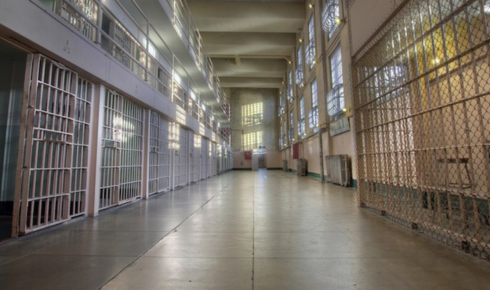
Housing arrangements vary by security level. Minimum-security facilities often use dormitory-style housing, while higher-security prisons rely on cells. Access to programs also differs. Many inmates can participate in educational courses, vocational training, drug treatment programs, and work assignments that may help reduce sentences or improve post-release opportunities.
Preparing mentally and practically is a critical step before entering the federal system. Proper federal prison preparation begins with understanding expectations, rules, and limitations. Learning about inmate rights, prohibited items, and communication rules can prevent unnecessary stress or disciplinary issues. It is also helpful to speak with a qualified attorney or consultant who understands BOP procedures.
Another important aspect of preparation is managing personal affairs. This includes arranging finances, designating power of attorney, handling employment matters, and maintaining family support systems. Emotional preparation matters just as much as logistical planning. Developing coping strategies, setting personal goals, and maintaining a positive mindset can make a significant difference during incarceration.
Physical preparation is often overlooked but equally important. Federal prisons provide basic healthcare, but maintaining personal health beforehand—such as addressing medical needs, gathering prescriptions, and improving fitness—can ease the transition. Understanding commissary systems and personal budgeting inside the facility also helps inmates adapt more quickly.
For families, education is essential. Knowing visitation rules, mailing procedures, and communication options allows loved ones to stay connected and provide emotional support. Strong outside relationships are often a key factor in successful adjustment and eventual reintegration into society.
Ultimately, accurate information about federal prisons empowers individuals to face the process with clarity rather than fear. While incarceration is undeniably difficult, preparation and knowledge can reduce uncertainty and improve outcomes. By understanding how the system works, what daily life involves, and how to prepare effectively, individuals and families can navigate federal prison with greater confidence and resilience.


